
ARC Raiders Progression Guide: Early, Mid & Late Game Item Priorities
ARC Raiders throws a massive amount of loot, crafting materials, and quests at you from the very first drops. With limited stash space and constantly evolving objectives, knowing what to keep, what to salvage, and what to sell is one of the biggest advantages you can have—especially in PvE-focused progression.
Early Game (Levels 1–10): Survival, Storage, and Momentum
The early game in ARC Raiders is defined by scarcity. Your stash is tiny, crafting options are limited, and most deaths happen because players overcommit to loot instead of progression.
At this stage, your primary goal is unlocking systems, not hoarding value.
Item Priorities in Early Game
You should treat most items as building blocks, not currency. Materials that appear “common” are often the biggest long-term bottlenecks.
Always keep:
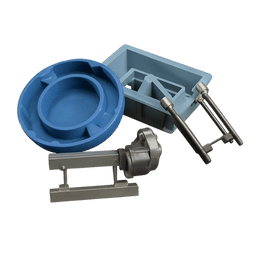
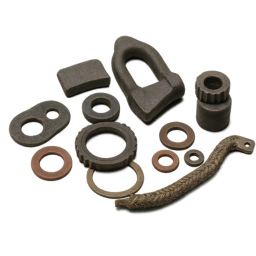
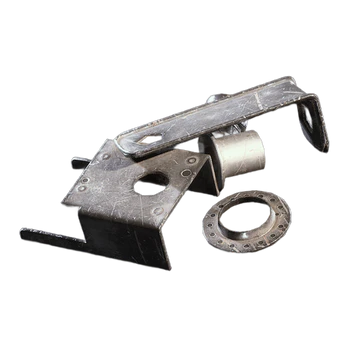

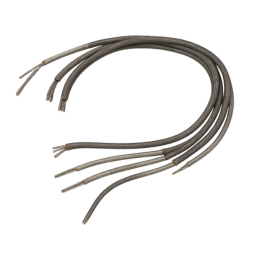
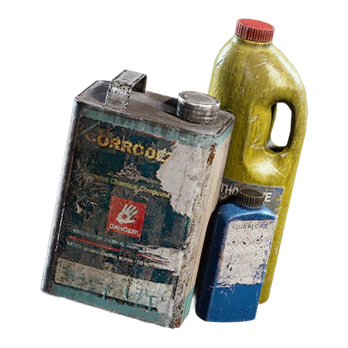
These materials appear in dozens of recipes and early hideout upgrades. Selling them early almost always slows progression later.
Weapons, on the other hand, should be treated as tools, not collectibles. Keeping one functional copy of each weapon type is enough. Early crafting and repair costs make hoarding multiple weapons inefficient, especially with limited stash space.
Consumables like food and basic meds should be used aggressively. Dying with a full backpack of consumables is one of the most common early-game mistakes.
Salvaging vs Selling (Early Game)
Early on, salvaging almost always beats selling. The exception is items explicitly categorized as valuables or cosmetics with no crafting usage.
Salvage items that:
- Convert into core materials
- Are required by early quests
- Appear in multiple workbench recipes
Avoid salvaging ARC-related items. ARC drops are progression-gated and nearly impossible to replace early.
Questing Strategy
Early quests exist to unlock traders, crafting benches, and Scrappy upgrades. Treat them as mandatory progression, not optional content.
Always prioritize quests that:
- Unlock hideout stations
- Increase stash size
- Unlock Scrappy tiers
- Open new trader inventories
If a quest requires a rare item, do not sell or salvage it—even if it seems useless now.
First Hideout Upgrades
Your first upgrades should follow this order:
- Stash size
- Scrappy (basic recycling efficiency)
- Core crafting benches
Stash size comes first because every other system depends on it. A larger stash directly translates into faster progression.
Mid Game (Levels 10–25): Optimization and Planning
Mid game is where ARC Raiders becomes a resource management game. You now have access to more recipes, tougher enemies, and multi-step quests.
Mistakes here usually come from over-salvaging or under-planning.
Item Management in Mid Game
At this stage, you should still keep all core materials, but now you also want to stockpile:
- Mechanical Components
- Electrical Components
- Mod Components
- Simple Gun Parts
These materials spike in demand as mods, weapons, and hideout upgrades unlock. Many players stall mid game because they sold these too aggressively early on.
Weapons now become situational. You should keep:
- One primary weapon per ammo type
- One backup weapon
- One high-damage weapon for bots
Extra weapons are only worth keeping if they are actively used or required for quests.
ARC Items: Absolute No-Sell Zone
ARC materials should never be sold or salvaged, even if they recycle into basic materials.
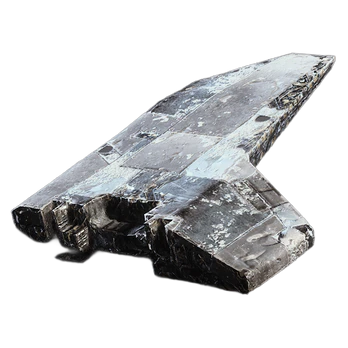 ARC Alloy,
 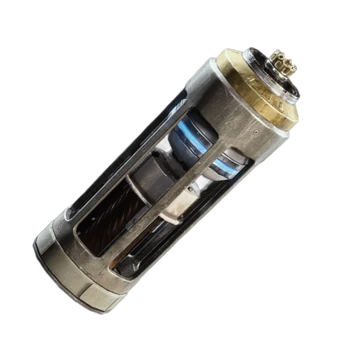 ARC Powercell,
 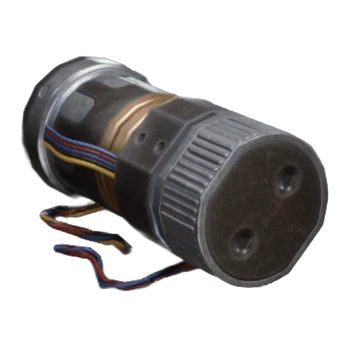 ARC Motion Core, and
 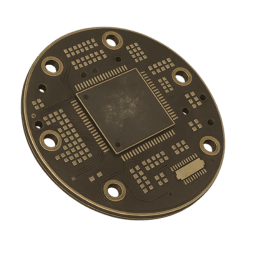 ARC Circuitry are all tied to late-game progression and high-tier upgrades. Community consensus is clear: selling ARC items early is one of the biggest regrets players report.
Salvaging for Efficiency
Mid game salvaging is about yield optimization. Certain ARC-derived items provide significantly higher returns than random junk.
If your goal is specific materials like Plastic Parts, Fabric, or Chemicals, target items that recycle into those materials at high volume instead of salvaging everything evenly.
Quest Flow and Map Runs
Mid game quests often overlap in objectives. Efficient players stack quests and complete multiple objectives per run.
Before deploying:
- Check active quests
- Identify shared locations or enemies
- Plan a route instead of reacting mid-run
This reduces death risk and maximizes progress per deployment.
Hideout Upgrade Priorities
Mid game upgrades should focus on:
- Scrappy efficiency upgrades
- Additional stash expansions
- Unlocking advanced crafting benches
Scrappy upgrades become especially valuable here, as better recycling yields reduce the need for risky loot runs.
Late Game (25+): Specialization and Long-Term Efficiency
Late game ARC Raiders is no longer about survival—it’s about efficiency and specialization.
At this point, your stash should be organized, your hideout mostly unlocked, and your focus shifts toward high-tier crafting and optimization.
Late Game Item Philosophy
You no longer need to keep everything. Instead, you should:
- Stockpile materials required for your preferred builds
- Keep ARC materials for max-tier upgrades
- Sell or ignore low-yield junk items
Weapons now become consumables. Keeping multiple copies is acceptable, especially for difficult content, but avoid emotional hoarding.
Salvaging vs Selling (Late Game)
Selling becomes more viable late game once:
- Your stash is upgraded
- Your crafting pipelines are stable
- Your build requirements are known
However, salvaging remains superior for progression-critical materials.
Questing in Late Game
Late game quests are about:
- Reputation optimization
- Unlocking final-tier traders
- Completing hideout milestones
At this stage, quests should be chosen strategically rather than completed blindly.
Final Hideout Priorities
Late game hideout upgrades focus on:
- Max-tier Scrappy
- Full stash capacity
- Specialized crafting stations
Once completed, you gain the freedom to focus entirely on preferred playstyles instead of material scarcity.
Final Thoughts
ARC Raiders rewards players who think long-term. Almost every progression wall reported by the community comes down to early selling, poor salvaging decisions, or ignoring stash upgrades.
If you focus on stash size first, treat ARC items as sacred, and align your item management with your quest flow, progression becomes smooth and predictable—even in solo play.
Mastering ARC Raiders isn’t about luck. It’s about knowing what not to throw away.